Medprime Design System
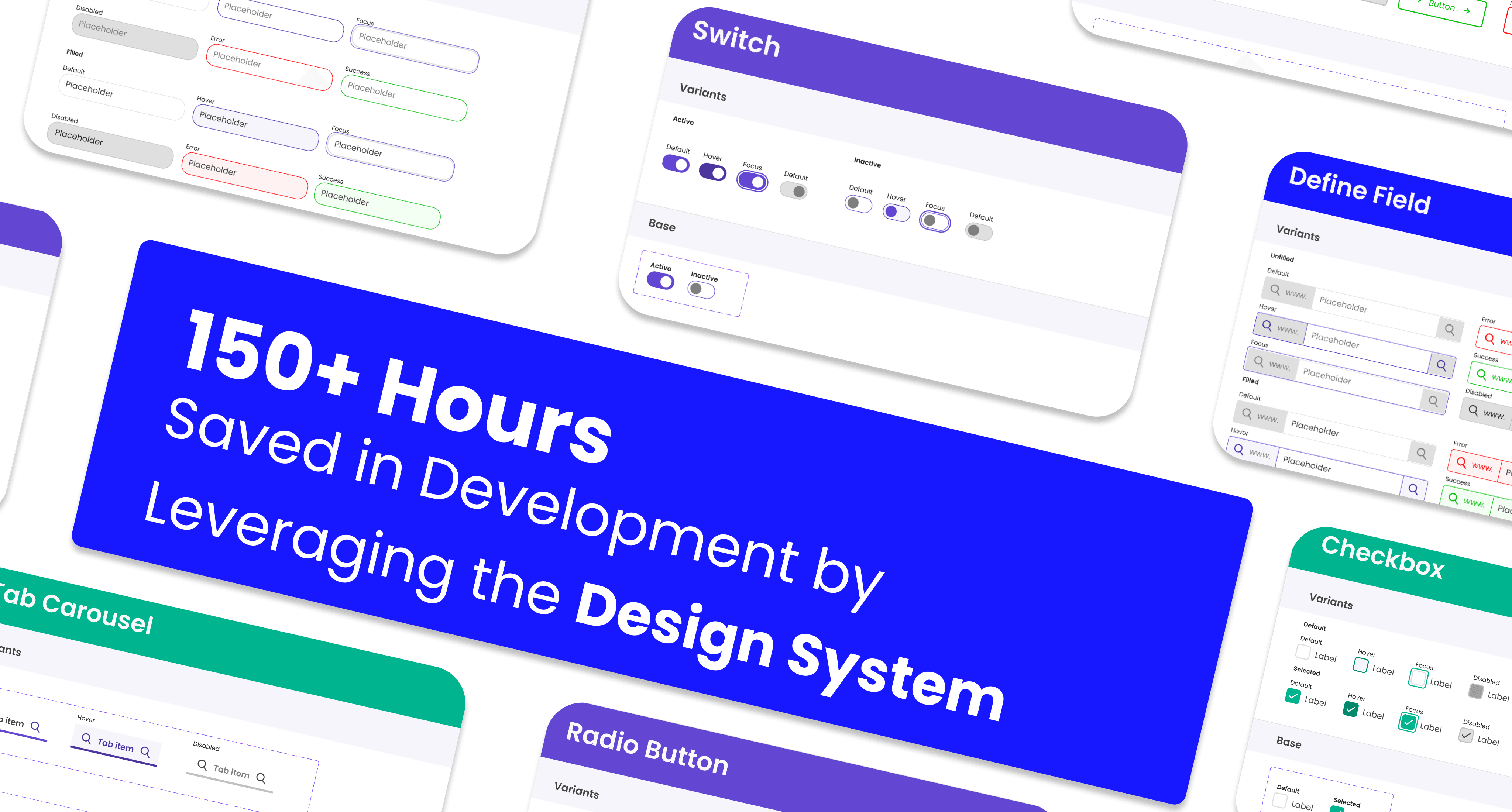
The Medprime Design System is a unified design foundation that-
This project is focused on building a robust and scalable design system for Medprime’s suite of digital products. By standardizing UI components, visual styles, and interaction patterns, the system enables designers and developers to collaborate efficiently while maintaining consistency across platforms.”
INDUSTRY
Medical Technology
USER
Developers
CATEOGRY
UI/UX Design
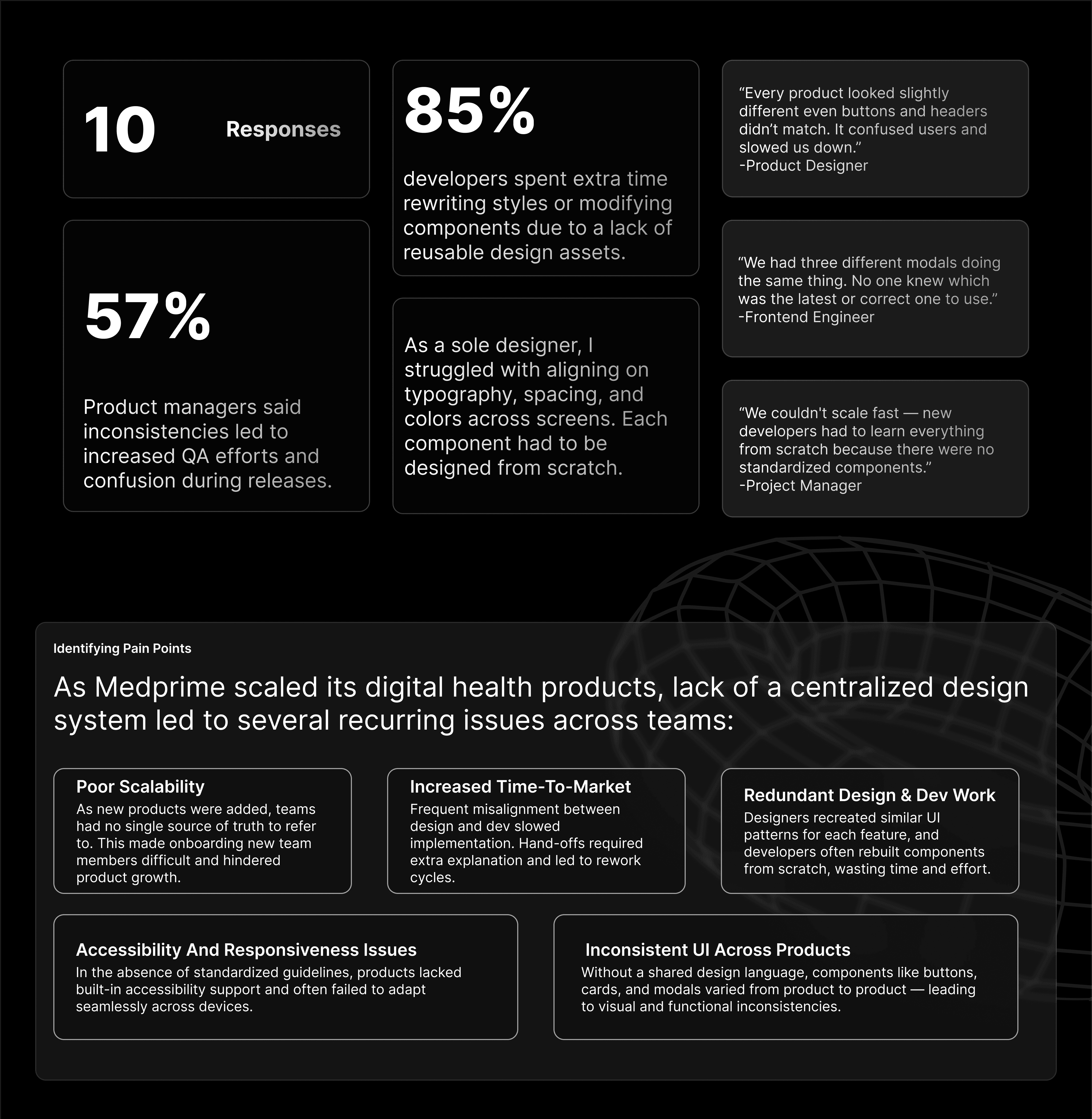
Establish Visual & Functional Consistency
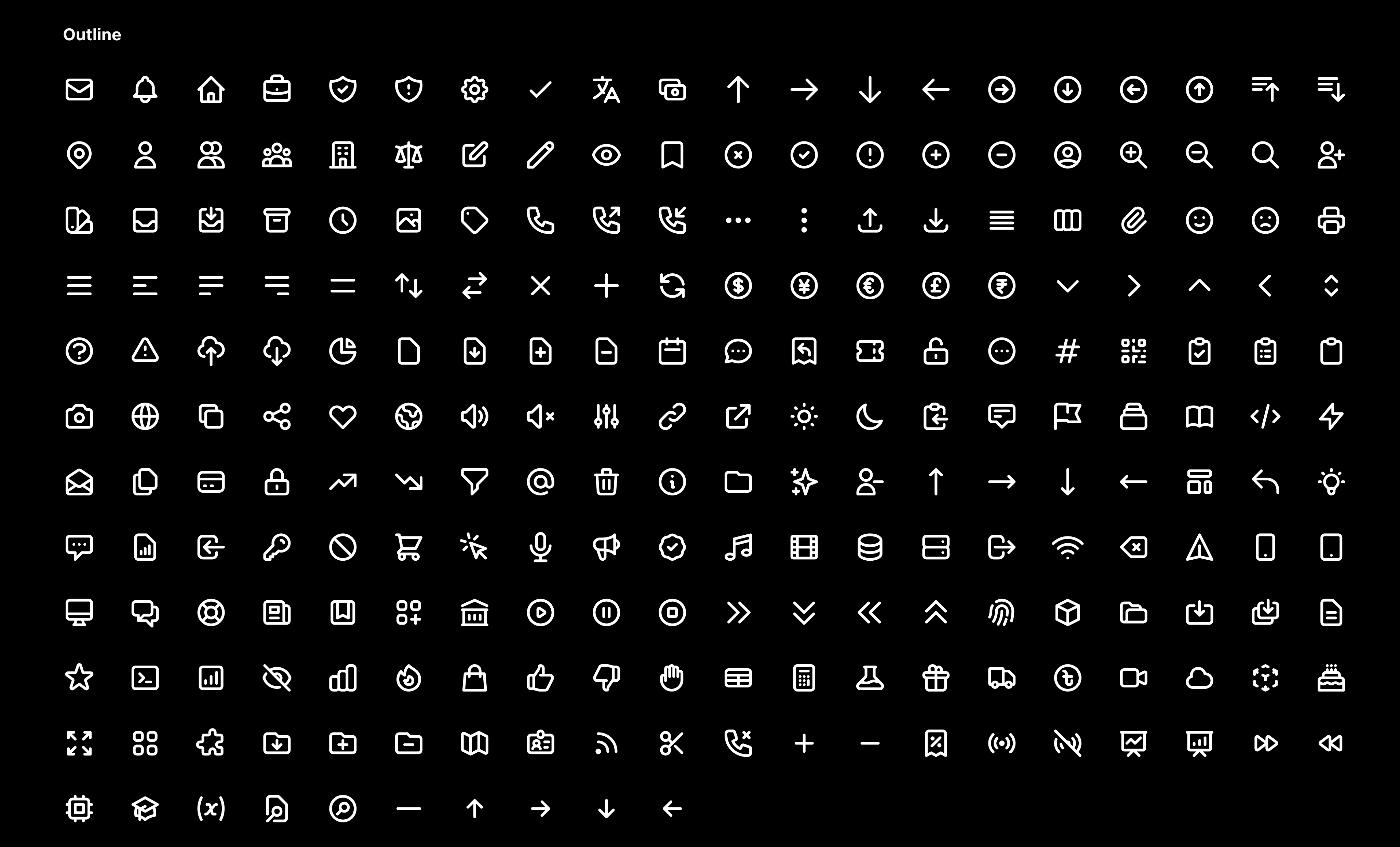
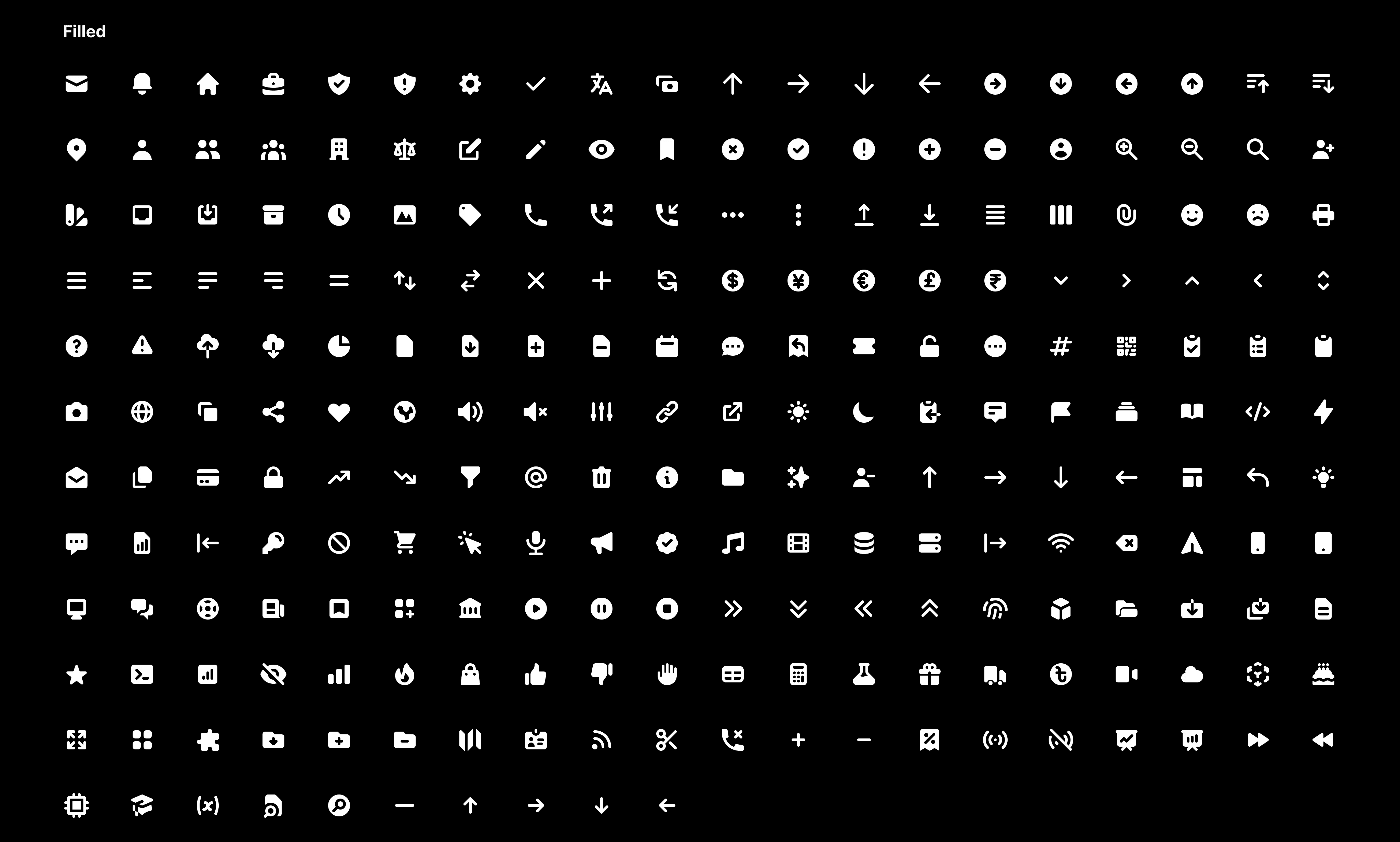
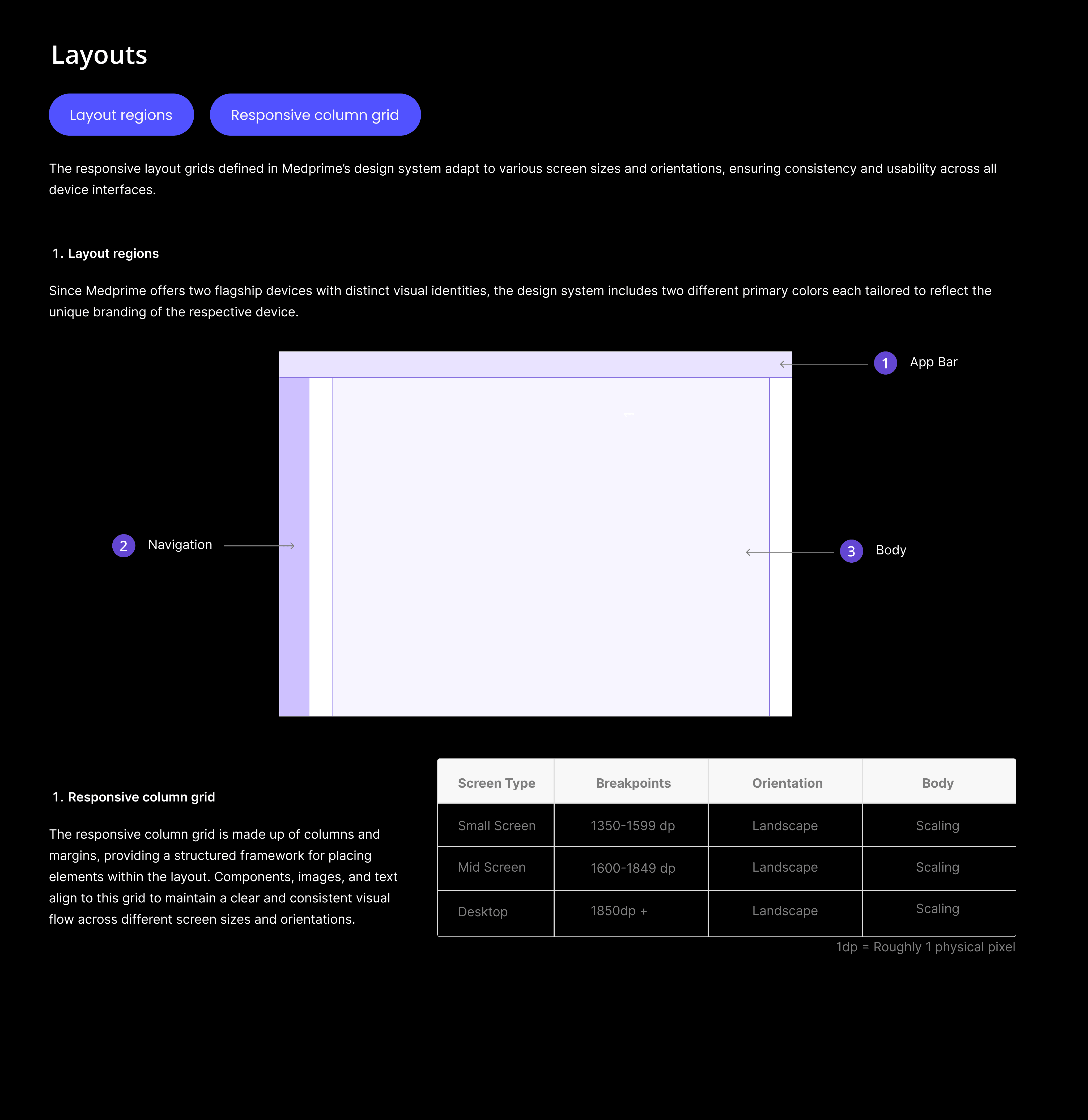
Define shared design tokens and UI components that work across web & mobile platforms.
Streamline Design-to-Development Workflow
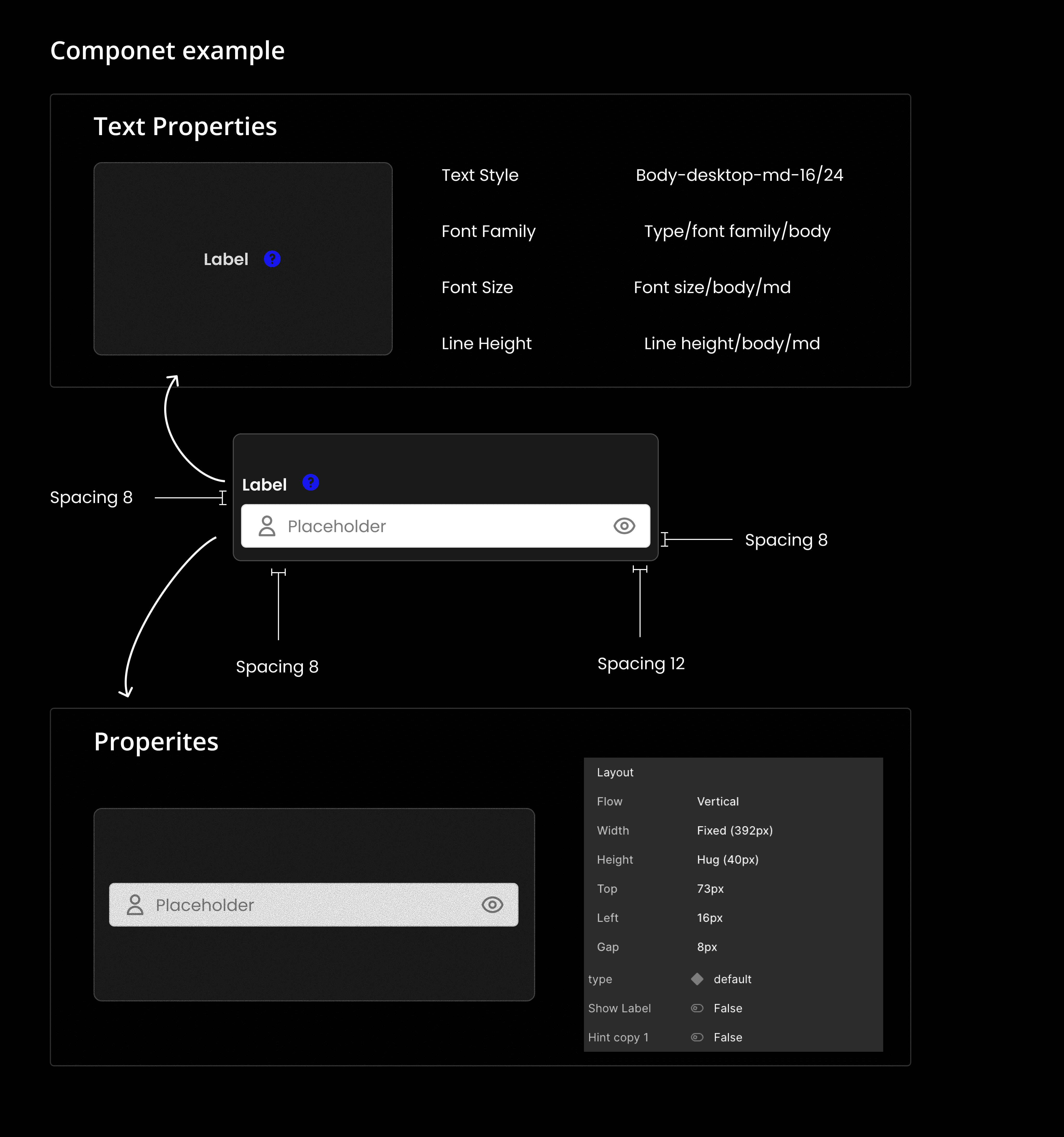
Create a component library that directly translates into production-ready code, reducing handoff friction.
Enhance Scalability & Maintainability
Ensure the system can support new product features, future redesigns, and onboarding without reinventing design foundations.
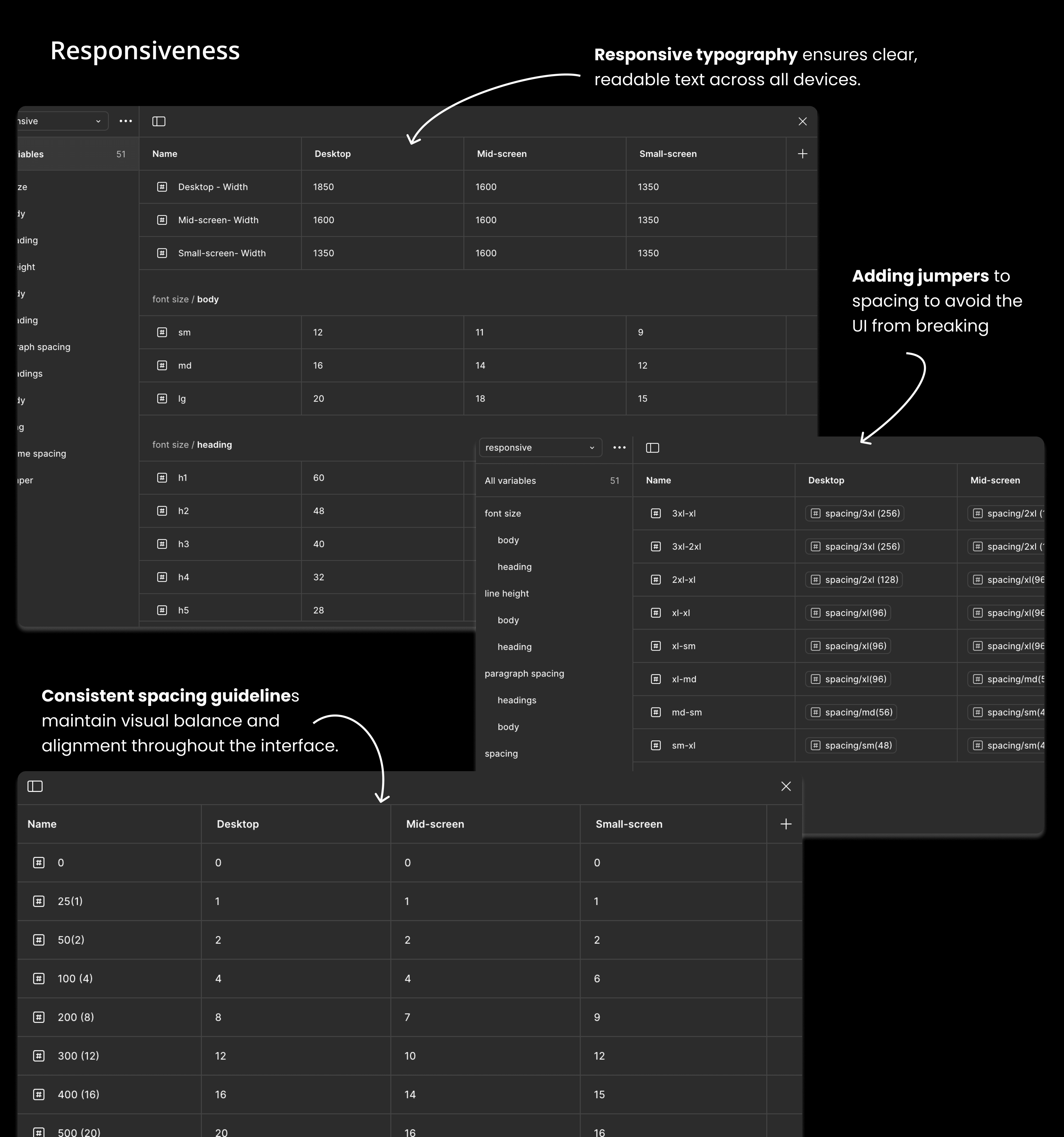
Promote Accessibility & Responsiveness
Integrate accessibility standards and responsive behavior from the ground up for a better user experience.
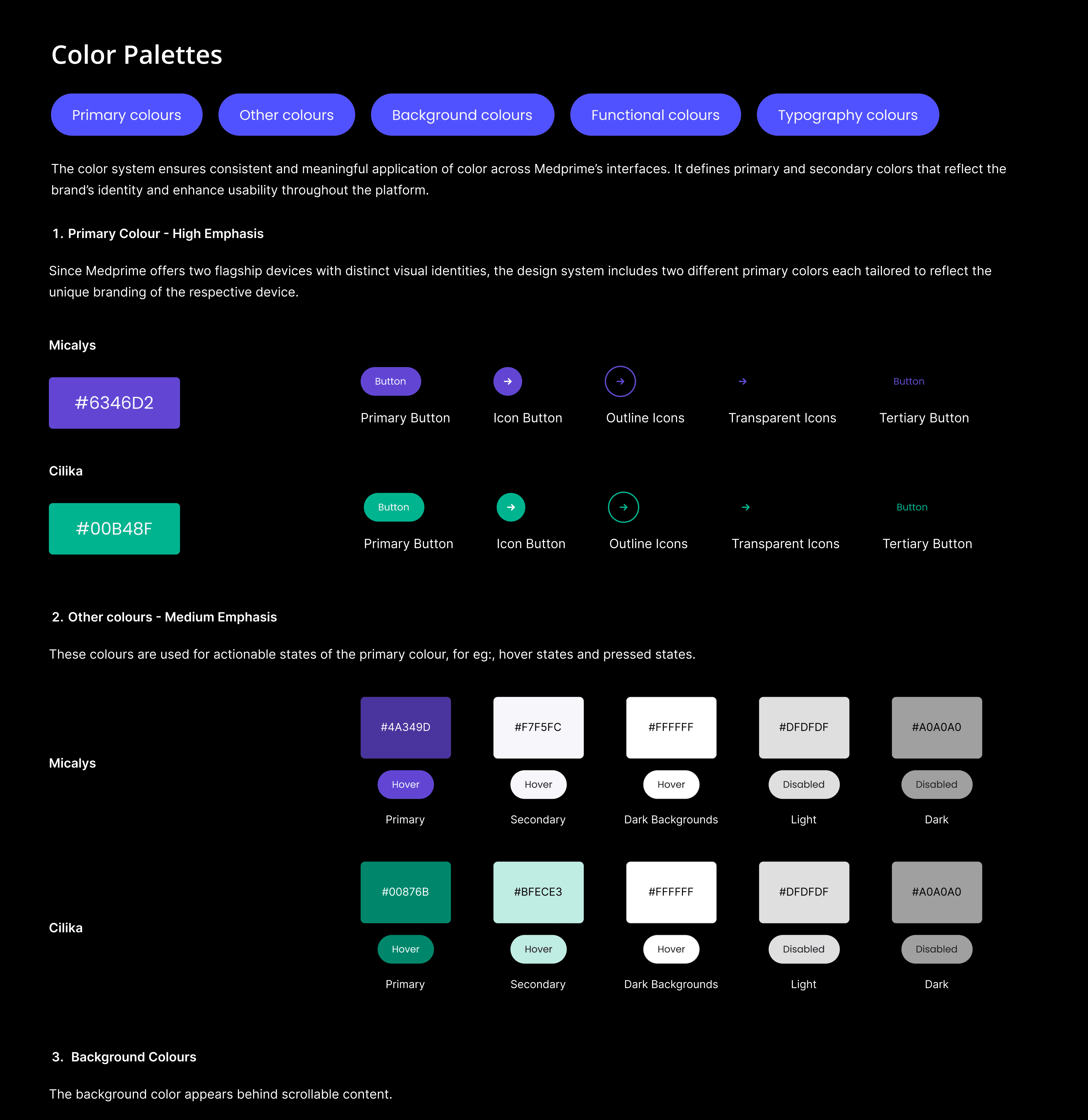
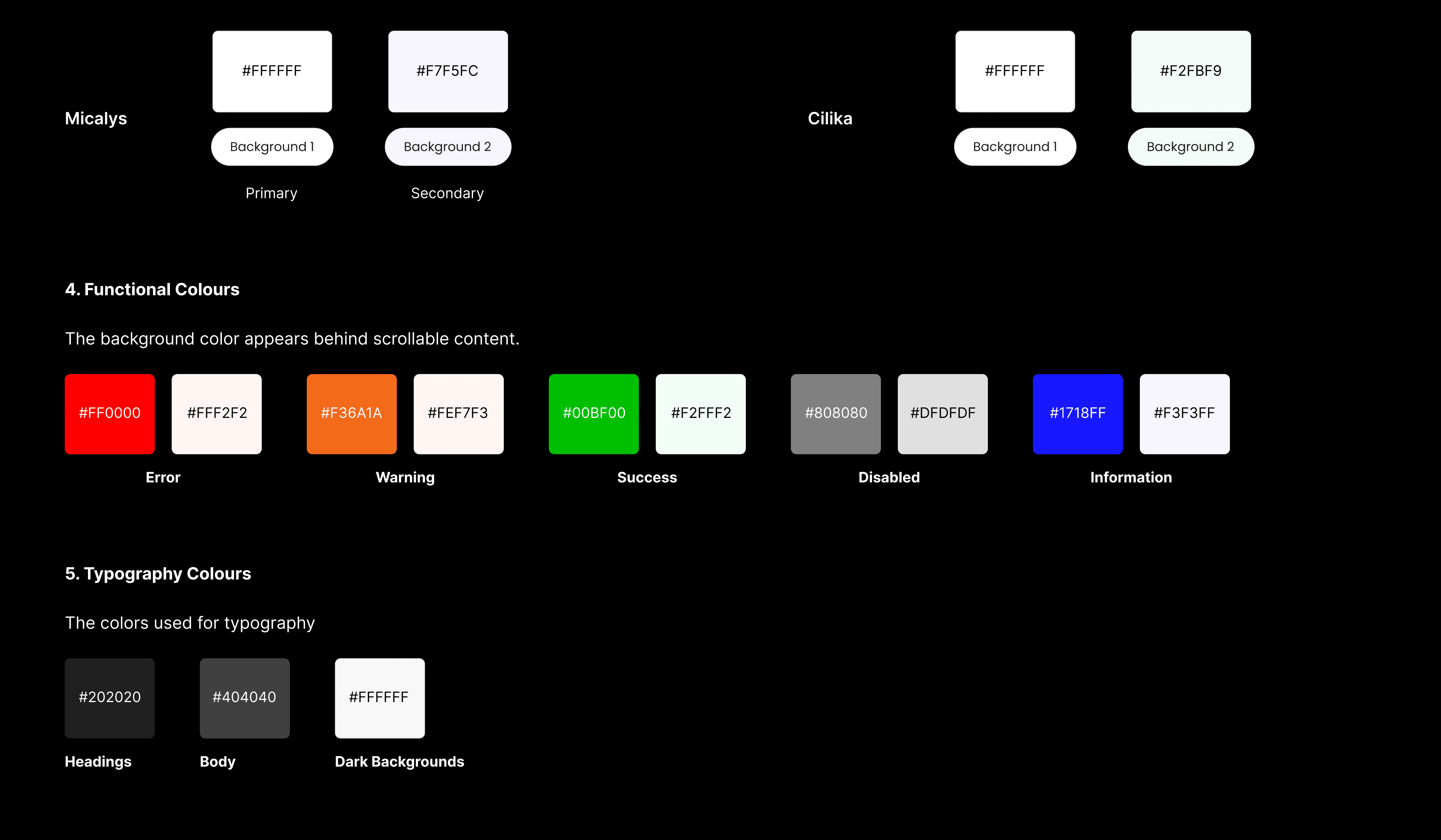

Predefined States
Success, Incomplete, Disabled, and other common states were built into the system as button variants to avoid reinventing the wheel for each use case.
Consistency Across Use Cases
Designers and developers could apply the same logic across different screens, ensuring a unified experience.
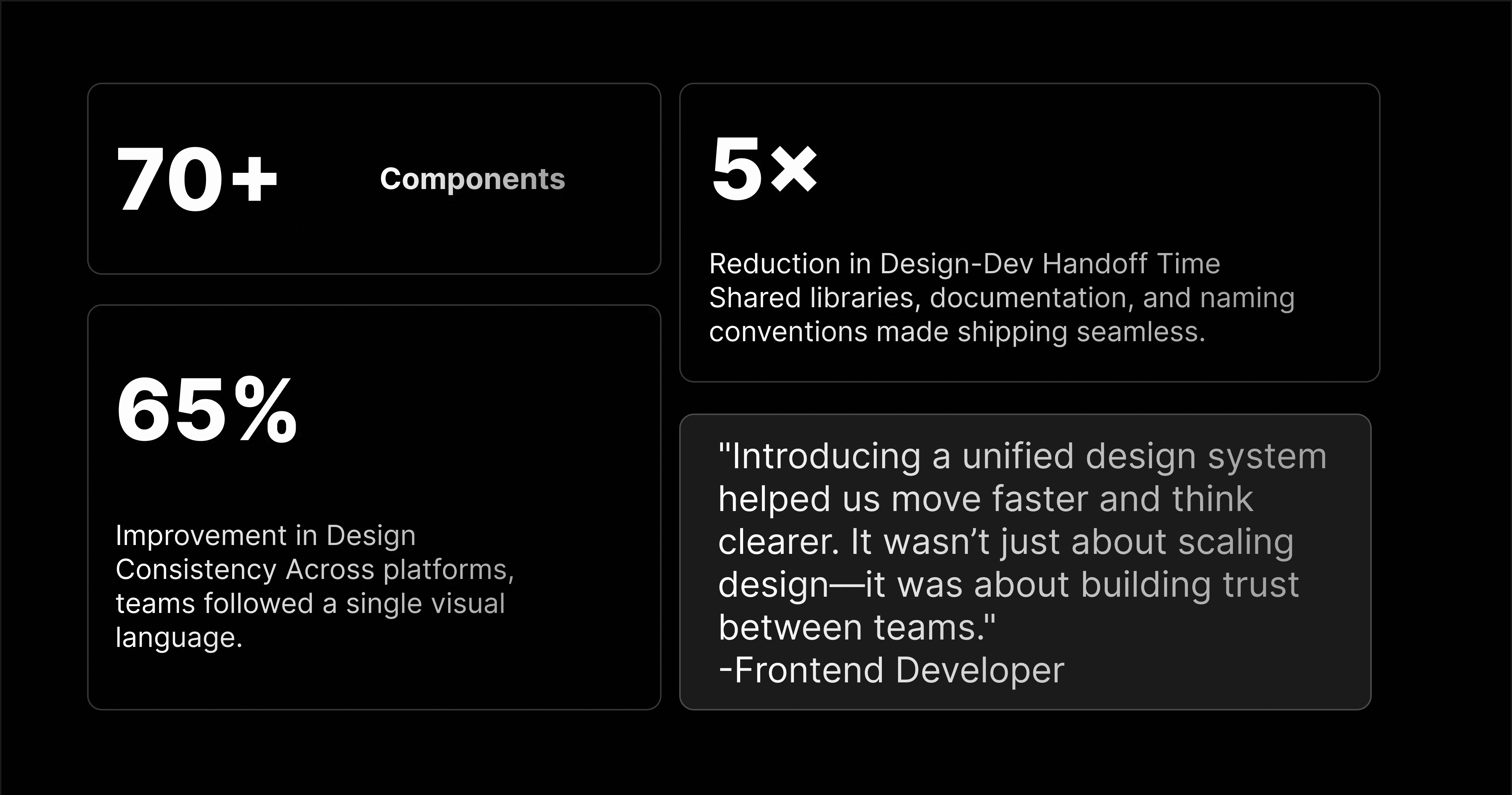
5× Faster Workflows
By using ready-to-go variants, the team saved significant time in both design and development phases.
Base & Main Variant Structure
Components were split into base and main variants—so changes made at the base level automatically updated all related variants, saving time and reducing manual edits.
Future-Proof & Adaptable
This setup allows flexibility for future needs, minimizing redesigns and improving overall scalability of the design system.
Start with patterns, not pixels Designing for scalability pushed me to think in terms of systems and patterns rather than isolated screens. It shifted my mindset from "how does this look" to "how does this behave, and where else can it be reused?"
Cross-functional collaboration is keyThe success of the system wasn’t just in designing beautiful components, but in how well they could be translated into code. Regular syncs with developers helped align technical constraints with design intent and improved handoffs.
A design system is never really “done”Creating the initial version was just the beginning. I learned that a good design system needs to evolve alongside the product—it’s a living, breathing ecosystem that requires updates, governance, and team contributions.